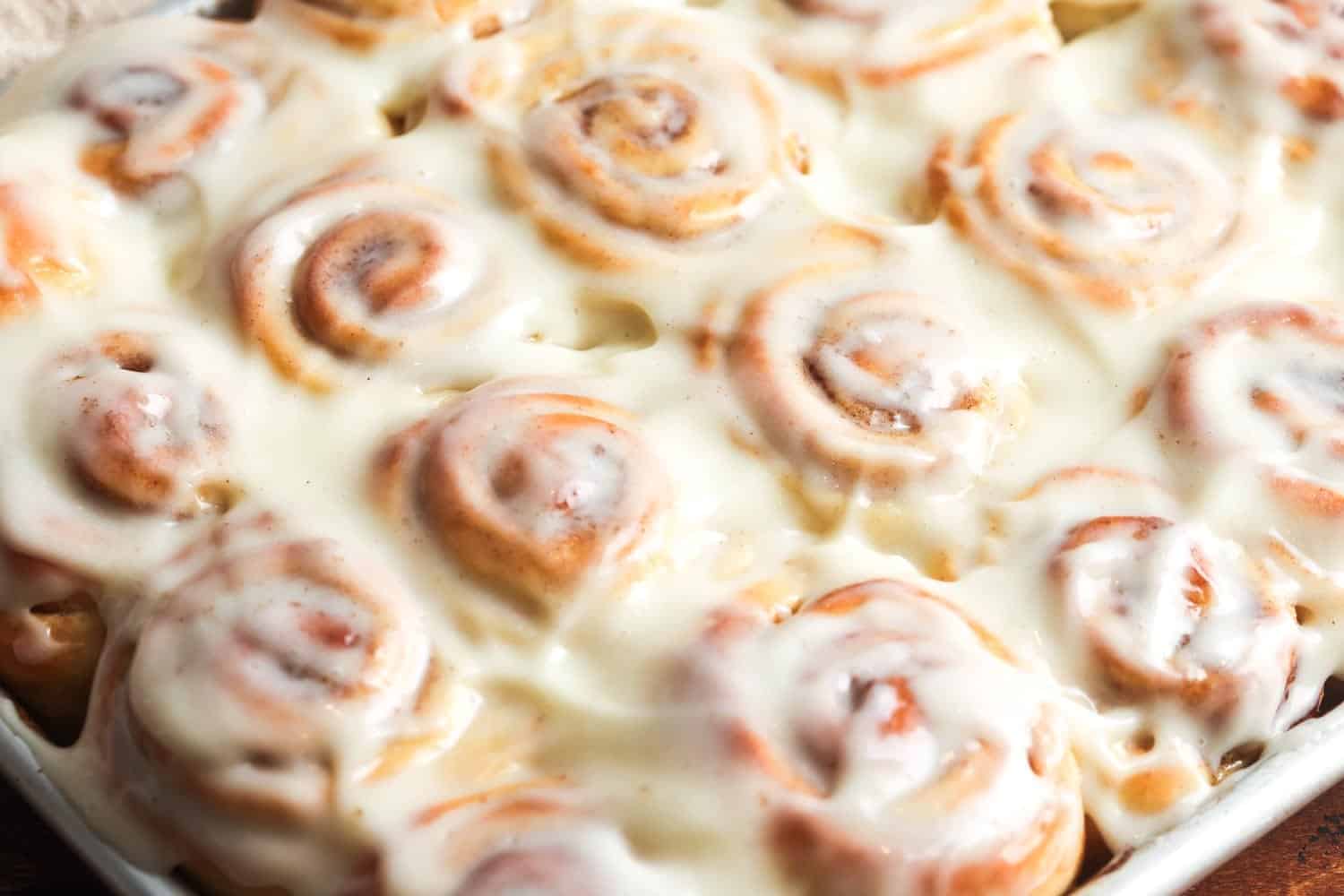
There's something truly magical about a warm, soft cinnamon roll, especially when it's perfectly fluffy and bite-sized. While large, decadent cinnamon rolls have their place, mini cinnamon rolls offer all the same joy in a more manageable, often even more delightful package. But achieving that ideal level of fluffiness, that delicate balance of tender dough and rich filling, can feel like a culinary quest. Fear not, aspiring bakers! This comprehensive guide will unlock the secrets to creating the most delectable, perfectly fluffy mini cinnamon rolls you've ever tasted, turning every bite into a moment of pure bliss.
The Foundation: Mastering Your Mini Cinnamon Roll Dough
The secret to truly fluffy mini cinnamon rolls begins and ends with the dough. A well-made yeast dough is the backbone of this beloved treat, and understanding its nuances is crucial.
The Magic of Yeast: Activation and Proofing
Yeast is a living organism, and treating it right is paramount. For the best results, always check the expiration date on your yeast. There are two main types you'll likely encounter:
- Active Dry Yeast: This type needs to be "activated" or "proofed" in warm liquid (usually milk or water) before being added to dry ingredients. The liquid should be lukewarm—around 105-115°F (40-46°C). Too cold, and the yeast won't activate; too hot, and you'll kill it. Look for a foamy layer to appear on the surface after 5-10 minutes, indicating your yeast is alive and ready to work.
- Instant Yeast (Rapid Rise/Quick Rise): This variety doesn't require prior activation and can be mixed directly with dry ingredients. It's often formulated to rise faster.
Whichever yeast you choose, the goal is a beautiful first rise. After kneading, your dough needs to rest in a warm, draft-free place until it has roughly doubled in size. This can take anywhere from 1 to 2 hours, depending on your environment. A good trick is to place the dough in a lightly oiled bowl, cover it with plastic wrap or a damp towel, and let it rise in a slightly warm oven that's been turned off, or even in a microwave (again, turned off) with a cup of hot water for added humidity.
Kneading Your Way to a Smooth, Elastic Dough
Kneading is a fundamental step in developing the gluten structure that gives your mini cinnamon rolls their signature chewiness and allows them to trap air for fluffiness. Whether you use a stand mixer with a dough hook or knead by hand, the goal is the same:
- Stand Mixer: Knead on medium-low speed for 8-10 minutes. The dough should pull away from the sides of the bowl and look smooth and elastic.
- By Hand: This is a great workout! Knead for 10-15 minutes on a lightly floured surface. You'll know it's ready when the dough feels smooth, springy, and passes the "windowpane test" (you can stretch a small piece thin enough to see light through it without tearing).
Tip: Don't be tempted to add too much flour during kneading. A slightly tacky dough is desirable; too much flour will result in dry, dense rolls.
The Role of Fat and Sugar for Richness
For truly tender and rich homemade mini cinnamon rolls, ingredients like butter, milk, and eggs are crucial. Milk adds moisture and tenderness, while butter and an egg (or egg yolk) contribute richness, flavor, and a softer crumb. Sugar, beyond its role in sweetness, also feeds the yeast, aiding in a robust rise, and helps tenderize the dough. Don't skimp on these components!
The Art of Filling and Rolling for Perfect Bites
Once your dough is perfectly proofed, the real fun begins: transforming it into those irresistible cinnamon-swirled delights.
Crafting the Irresistible Cinnamon Filling
The filling is where the "cinnamon" in mini cinnamon rolls truly shines. A classic filling typically consists of:
- Softened Butter: Not melted! Room temperature, spreadable butter creates the perfect sticky base for the sugar and cinnamon to adhere to.
- Brown Sugar: Adds moisture and a deeper, more caramel-like flavor than white sugar.
- Ground Cinnamon: This is the star! Use a good quality cinnamon. For an extra punch, try Saigon cinnamon, which is known for its intense flavor.
Mix your brown sugar and cinnamon together first, then spread your softened butter evenly over the rolled-out dough, leaving a small border free at one edge. Sprinkle the cinnamon-sugar mixture generously and evenly over the butter. Don't go overboard, but make sure every inch is covered for maximum flavor.
Rolling the Dough: Thickness and Shape
After the first rise, gently punch down your dough and turn it out onto a lightly floured surface. Roll it into a large rectangle, aiming for an even thickness of about 1/4 to 1/3 inch (0.6-0.8 cm). A consistent thickness ensures even baking and beautifully uniform rolls. The size of your rectangle will depend on your recipe and how many mini cinnamon rolls you want.
The Tight Roll Technique
This is a critical step for preventing gaps and ensuring those iconic swirls. Starting from one long edge, begin to roll the dough tightly and evenly. Apply gentle, consistent pressure as you go, ensuring there are no air pockets. Once rolled, pinch the seam closed along the bottom to seal it.
For cutting, you have a couple of options:
- Sharp Knife: Use a very sharp, un-serrated knife. Make sure to cut straight down rather than sawing, which can flatten the rolls.
- Dental Floss (Unflavored): This is a baker's secret weapon for perfectly round rolls! Slide a piece of dental floss under the log, cross the ends over the top, and pull to slice through. This creates a clean cut without squishing the dough.
Aim for rolls about 1 to 1.5 inches (2.5-3.8 cm) thick for perfect mini cinnamon rolls. For a detailed visual guide on rolling and cutting, check out our Easy Mini Cinnamon Rolls: Step-by-Step Baking Guide.
Baking Your Mini Cinnamon Rolls to Golden Perfection
The final steps before you can enjoy your fluffy treats involve a crucial second rise and careful baking.
The Second Rise: Crucial for Fluffiness
Arrange your cut mini cinnamon rolls in a lightly greased baking dish, leaving a small space between them. Cover the pan loosely with plastic wrap or a damp cloth and let them rise again in a warm, draft-free spot until they are puffy and nearly doubled in size. This second rise (or proofing) is essential for achieving that airy, fluffy texture. Be careful not to over-proof, which can lead to a collapsed texture. You'll know they're ready when they look visibly plump and spring back slowly when gently poked.
Oven Temperature and Timing
Preheat your oven to the specified temperature (often around 375��F / 190°C) and make sure it's fully heated before baking. This initial burst of heat helps the rolls rise quickly. Baking time for mini cinnamon rolls is typically shorter than for full-sized ones, usually 15-20 minutes. Look for them to be beautifully golden brown on top and cooked through in the center.
Preventing Dryness and Achieving a Soft Interior
A common pitfall is overbaking, which leads to dry, tough rolls. To ensure a soft, moist interior:
- Don't Overbake: As soon as they are golden and feel firm to the touch, they are likely done.
- Cream/Milk Pour-Over (Optional but Recommended): For an extra level of moisture and richness, some bakers pour a small amount of heavy cream or milk over the rolls a few minutes before they are done baking. This creates a wonderfully tender bottom.
- Cover if Browning Too Quickly: If the tops are browning too fast but the centers aren't quite done, loosely tent the pan with aluminum foil.
The Icing on the Cake: Crafting the Ideal Glaze
No mini cinnamon roll is complete without its glorious topping. The right glaze elevates the entire experience.
Classic Cream Cheese Frosting
This is arguably the most popular choice for mini cinnamon rolls, offering a tangy counterpoint to the sweet cinnamon. A classic recipe includes:
- Cream Cheese: Softened to room temperature.
- Unsalted Butter: Softened, for richness and smooth texture.
- Powdered Sugar (Confectioners' Sugar): For sweetness and structure. Sift it to avoid lumps!
- Vanilla Extract: For classic flavor.
- Milk or Cream: To achieve the desired drizzly or spreadable consistency.
Beat the cream cheese and butter until smooth, then gradually add the powdered sugar, vanilla, and just enough milk/cream until you have a smooth, spreadable, or drizzly consistency. Apply the frosting while the mini cinnamon rolls are still warm (but not piping hot) so it melts slightly into the crevices, creating an even more indulgent experience.
Alternative Glazes and Toppings
While cream cheese is king, don't be afraid to experiment!
- Simple Glaze: A mix of powdered sugar, milk, and a splash of vanilla or almond extract for a quick, sweet finish.
- Maple Glaze: Swap some of the milk in a simple glaze for pure maple syrup for a delightful fall twist.
- Nut Toppings: Sprinkle with toasted pecans or walnuts for added texture and flavor.
The versatility of mini cinnamon rolls means they pair well with many different toppings. You can read more about making these your new favorite bite-sized treat, and topping options, in our article Mini Cinnamon Rolls: Your New Favorite Bite-Sized Treat.
Tips for Serving, Storing, and Enjoying Your Mini Delights
You've put in the work, now it's time to enjoy the fruits of your labor!
- Serve Warm: Mini cinnamon rolls are always best served warm. If they've cooled, a quick 10-15 seconds in the microwave can revive their tenderness and melt the frosting into a gooey glaze.
- Storage: Store frosted mini cinnamon rolls in an airtight container at room temperature for up to 2 days, or in the refrigerator for up to 5 days (especially if they have cream cheese frosting). Bring them to room temperature or gently warm before serving.
- Freezing Options:
- Baked & Frosted: Freeze individual rolls on a baking sheet until solid, then transfer to a freezer-safe bag for up to 1 month. Thaw at room temperature and warm gently.
- Baked & Unfrosted: Freeze similarly for up to 2-3 months. Thaw and warm, then frost.
- Unbaked Dough: You can even freeze the unbaked dough log (without cutting) or the cut rolls in the pan. Thaw overnight in the fridge, then let rise at room temperature before baking.
- Sharing is Caring: These mini cinnamon rolls make wonderful gifts, perfect for brunch gatherings, or simply a delightful weekend treat.
Crafting perfectly fluffy mini cinnamon rolls is a rewarding journey, combining careful technique with a dash of patience. By understanding the science behind the dough, mastering your rolling, and perfecting the bake, you'll unlock the secrets to creating consistently delicious, tender, and irresistible bite-sized treats. So, roll up your sleeves, gather your ingredients, and get ready to fill your home with the warm, comforting aroma of homemade perfection!
